Ongoing disruption from artificial intelligence, which has been most acute in analytical or knowledge-specific occupations, has lessened the need for employees to come into a position with certain requisite skills.
Noah Yosif

Ongoing disruption from artificial intelligence, which has been most acute in analytical or knowledge-specific occupations, has lessened the need for employees to come into a position with certain requisite skills.
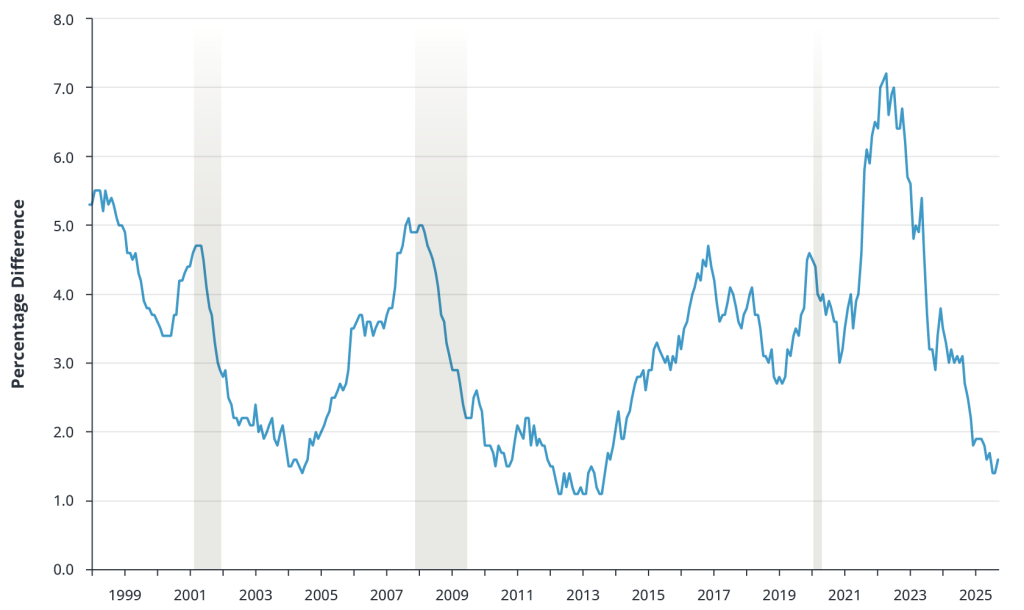
Higher wages is one of the greatest benefits of being a seasoned employee in today’s labor force—but that premium is slowly slipping away. According to data from the Atlanta Federal Reserve Bank’s Wage Tracker, the difference between the wages of younger employees aged 16 to 24 and those aged 25 to 54 are at their lowest levels since the years immediately following the Great Financial Crisis of 2008.
This suggests employers are no longer willing to pay higher wages to job seekers based on assumed experience which accompanies age. Part of this shift in philosophy can be attributed to employers seeking any excuse to pay less in wages due to growing compensation costs driven by inflation, interest rates, and tariffs. Another reason for this shift could be that technological innovation is reducing the need for experience altogether. Ongoing disruption from artificial intelligence, which has been most acute in analytical or knowledge-specific occupations, has lessened the need for employees to come into a position with certain requisite skills. Instead, simply knowing how to use current technologies to find an answer or seamlessly fulfill one’s job duties is considered sufficient among many employers.
This suggests that prospective job seekers may be less inclined to seek out new opportunities within the labor market, given uncertainties over the benefits they would receive from switching positions. Conversely, it also suggests employers could be more attentive to skillsets rather than experience. To thrive within this brave new labor market, staffing companies can no longer rest on the laurels of experience among prospective candidates, rather, they need to ensure they have the requisite skills employers need to maintain value during an assignment.

Despite the forecasted slowdown in seasonal hiring, retail sales are expected to increase by 3.7% to 4.2% year-over-year, on par with 2024’s increase of 4.3%. This uptick in sales, however, is in large part due to consumers buying less at higher prices.
Last holiday season retailers hired about 442,000 seasonal workers, as employers needed additional help fulfilling higher consumer spending during the holidays. This year, however, that level of hiring could drop by as much as 17% to 40%, according to the National Retail Federation.
Despite the forecasted slowdown in seasonal hiring, retail sales are expected to rise by 3.7% to 4.2% year-over-year, on par with 2024’s increase of 4.3%. This uptick in sales, however, is largely due to consumers buying less at higher prices—not higher sales volume. This is likely to result in reduced labor demand to move inventory, leading to 100,000 to 200,000 fewer seasonal workers forecasted this year.
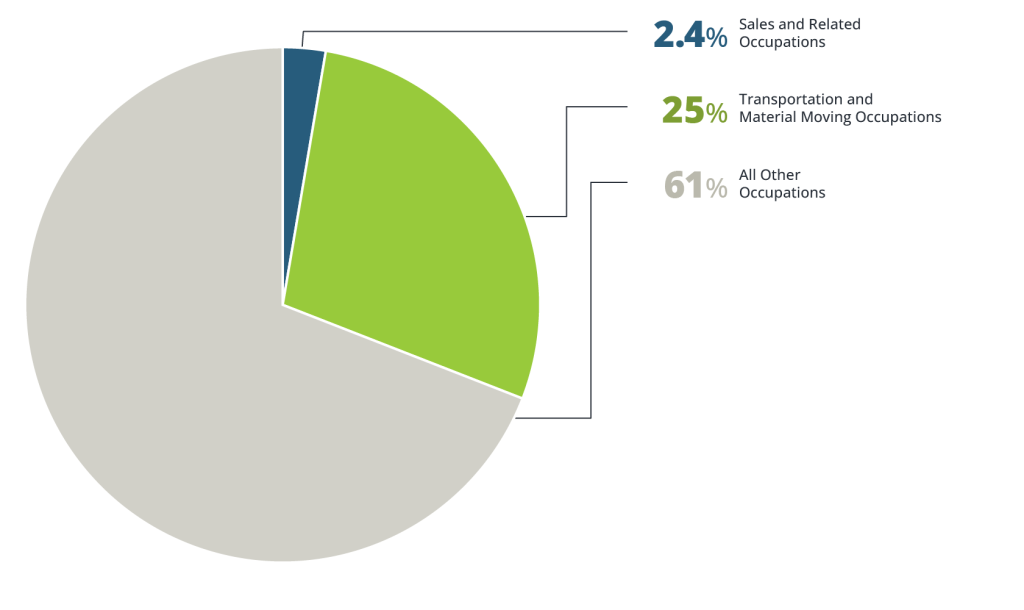
While these reduced seasonal jobs would be relatively inconsequential compared to the scope of the entire retail sector (which accounts for 1.1% of total employment in that sector), it could mark the lowest level of seasonal hiring since the Great Recession. While consumer spending is steady, less demand to move products could also impact employment in other sectors such as transportation and warehousing, which employs one of every four workers in the staffing industry, according to the most recent data from the Bureau of Labor Statistics.
In addition, the cohort of workers who rely on these seasonal opportunities to supplement their end-of-year budgets could be left marooned, potentially opening the door for staffing companies to place them elsewhere where their labor can be put to better use.